Industrial Washdown and Dewatering Hoses

Hose down the floor. Pump out the pit. Get back to work.

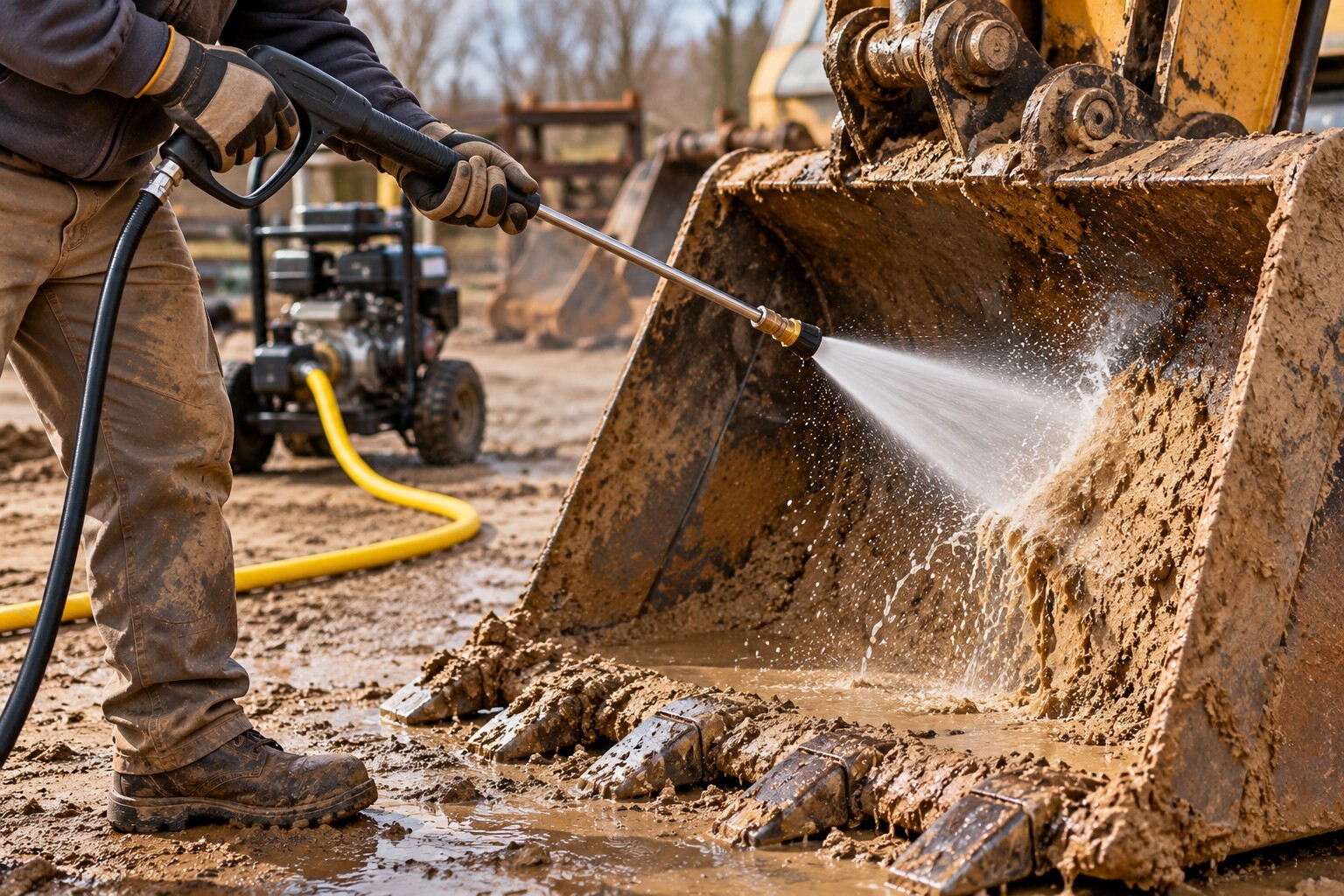
Rubber hose for hot-water washdown, pressure washer hose for tough grime, and pump hoses for clearing out standing water.

Shop Washdown Hoses →

Cleaning up a shop is really two jobs. First you get water on the mess. Then you get the water out of the way. For everyday washing of floors, loading docks and equipment, a ¾-inch black rubber contractor hose is the right tool. It's rated to 150 PSI and has brass ends. It stays bendable from -40°F to 190°F, so it can run hot water from the tap and won't get stiff in a cold warehouse. When grime won't rinse off, our pressure washer hoses can take 4,000 PSI and water up to 310°F, so they work with hot-water machines. Sometimes water collects where it shouldn't, like a wash pit, a sump or a flooded loading dock. A small pump with a suction hose and blue lay-flat hose gets it out fast. (That's what "dewatering" means: pumping out water that's in the way.)

Common Uses

Worker rinsing a utility maintenance pad

Rinse Utility Pads and Work Areas

Wash loose dirt and debris off work pads and outdoor work areas and push it toward the drain. A ¾-inch rubber hose with a good spray nozzle moves plenty of water to get it done fast. If water pools where it shouldn't, a small pump with a suction hose and blue lay-flat hose will clear it out.

Worker rinsing a concrete utility floor toward a drain

Attend to Maintenance Floors

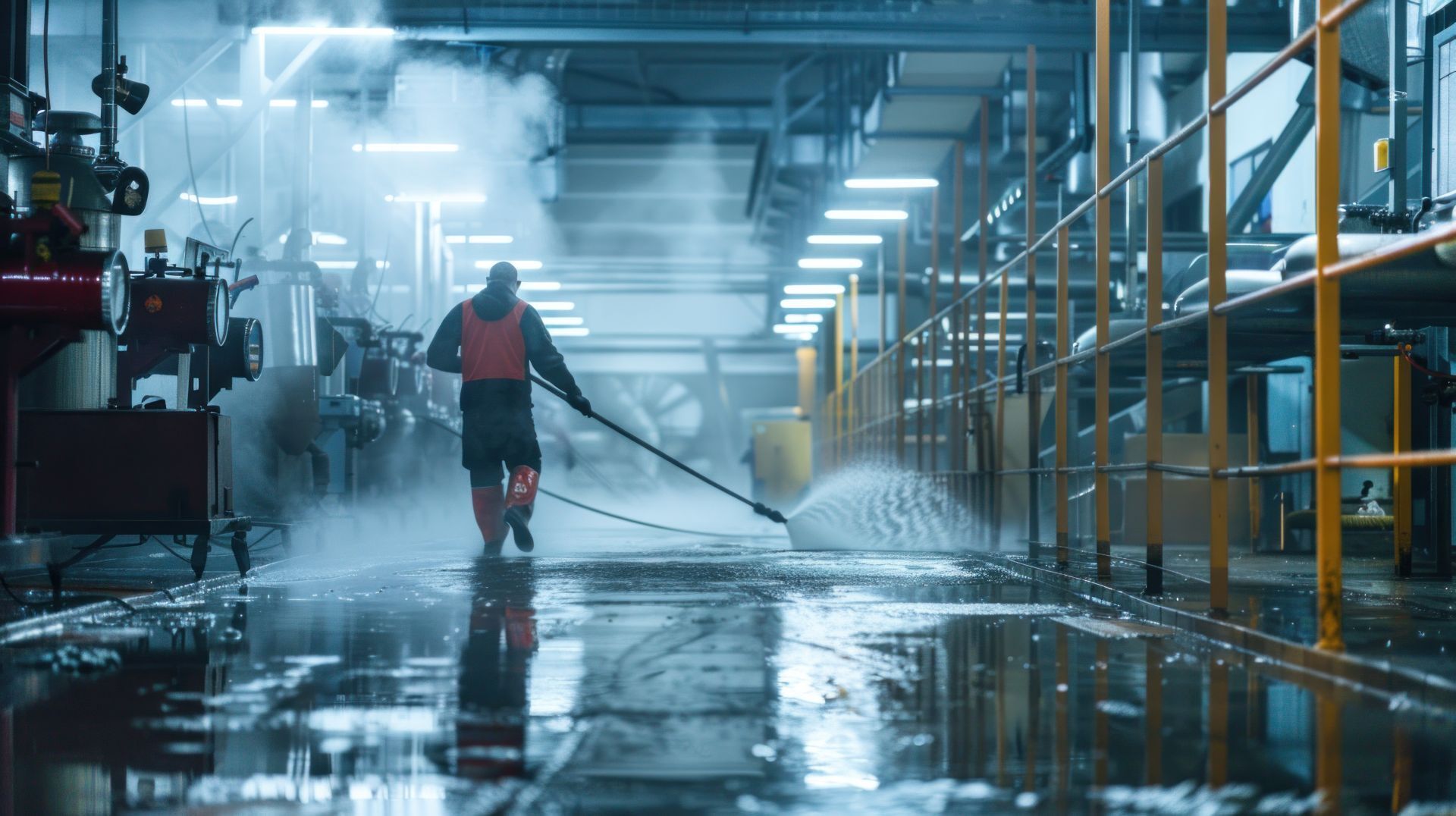
Rinse dirt and spills off shop floors where wet cleaning is allowed. Our rubber contractor hose handles hot water up to 190°F, which helps on greasy floors, and it stays bendable in a cold warehouse. Keep the hose out of walkways and forklift lanes while you work.

Worker rinsing a metal utility cart exterior

Clean Tools and Equipment Exteriors

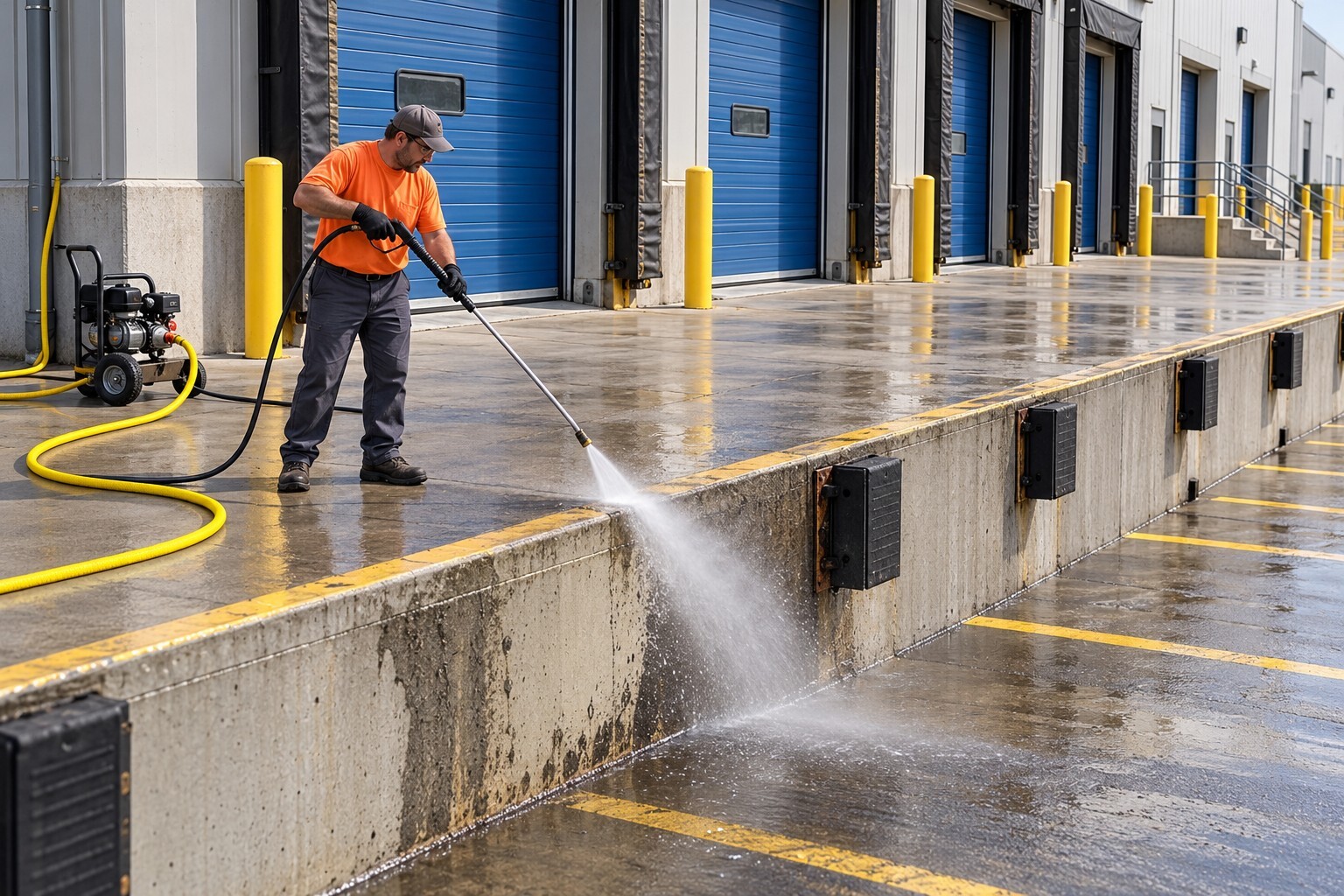
Spray mud and dirt off hand tools, carts and the outside of equipment. For caked-on grease, step up to a pressure washer and a hose made for it. Ours handle 4,000 PSI and water up to 310°F. Keep water away from motors, electrical parts and anything that touches food.

What to Consider

Reach the Cleaning Point

Think about the pads, bays and workstations your team cleans. The right length gets the nozzle where it's needed without moving equipment around. Contractor hose comes in 50 and 100 feet.

Match the Water Service

Know what's going through the hose. Rubber contractor hose is good for up to 150 PSI and 190°F. Pressure washer hose handles 4,000 PSI and 310°F. The plastic suction and lay-flat hoses top out around 140°F to 170°F, so use them for regular water. None of these hoses are made for chemicals or food plants.

Handle Repeated Surface Contact

Shop floors are rough, and hoses get dragged across concrete and edges all day. Thick rubber contractor hose holds up to it. Keep hoses out of vehicle lanes and away from hot surfaces.

Make Setup Practical

If the hose comes out and goes back several times a day, it should be easy to handle and store. Pick a length that fits the job, drain it when you're done and hang it up. Lay-flat pump hose rolls up flat and takes almost no room.

Connect the Rinse Tool

Make sure the water tap, hose ends and nozzle all fit together. Our contractor hose has standard brass garden hose ends. For pump hoses, camlock quick-connect ends hook up in seconds with no tools.

Frequently Asked Questions

What hose should we use for washing down floors and equipment every day?

For most shops, a ¾-inch rubber contractor hose with a good spray nozzle. ¾-inch moves more water than ⅝-inch, so rinsing goes faster. It handles hot water up to 190°F and stays bendable down to -40°F, so it works in a cold warehouse too. Get 50 feet for one bay, or 100 feet if you need to reach across the whole shop.

Can we use hot water?

Yes, with the right hose. The rubber contractor hose handles water up to 190°F, and our pressure washer hoses handle up to 310°F. The plastic suction and lay-flat hoses aren't made for hot water (they top out around 140°F to 170°F), so use them for pumping, not hot washdown.

Our wash pit floods every week. What do we need to pump it out?

You'll need a small pump, a 20-foot suction hose that matches the pump's "in" opening, and enough lay-flat hose to reach the drain or tank. The clear suction hose is handy because you can see junk coming before it hits the pump. Put a strainer on the end in the pit. If you move the pump around, get camlock quick-connect ends on both hoses so hooking up only takes a few seconds.

Can we just use one kind of hose on both sides of the pump?

No, and it's one of the most common mistakes people make. Lay-flat hose gets sucked flat as soon as the pump starts pulling, so no water moves. Suction hose is stiff and stays round. Always put suction hose on the "in" side and lay-flat hose on the "out" side.

Should we get the ¼-inch or ⅜-inch pressure washer hose?

It depends on your machine. The ⅜-inch moves more water and is the usual choice for bigger machines and longer runs. The ¼-inch is lighter and works fine on smaller machines. Both are 50 feet long and rated to 4,000 PSI. Tell us your washer model and we'll help you pick.

Are these hoses OK for food plants, chemicals or sanitizing?

We'll be straight with you: no, they aren't made for that. Food, chemical and sanitizing jobs each need a hose built and tested for that work. Call us at 502-241-5957 and tell us what you're doing. We'd rather help you get the right hose than sell you the wrong one.